
10 tradycyjnych instrumentów Bliskiego Wschodu: brzmienie, rola i pochodzenie
Muzyka Bliskiego Wschodu nie należy do jednego kraju, języka, religii ani stylu. Arabski maqam, turecki makam, perski dastgah oraz tradycje kurdyjskie, ormiańskie, greckie, północnoafrykańskie i inne regionalne dzielą ze sobą instrumenty i pomysły, zachowując przy tym odrębne repertuary, stroje, rytmy i praktyki wykonawcze.
Starsza angielska etykieta „instrumenty orientalne” wciąż pojawia się w niektórych sklepach i zapytaniach wyszukiwarek, ale jest zbyt szeroka, by precyzyjnie opisać tę muzyczną różnorodność. Określenie „tradycyjne instrumenty bliskowschodnie” jest czytelniejsze w odniesieniu do dziesięciu instrumentów opisanych poniżej. Nawet ono jest jednak tylko wygodnym parasolem: wiele z tych instrumentów należy również do Bałkanów, Azji Środkowej, Kaukazu i Afryki Północnej.
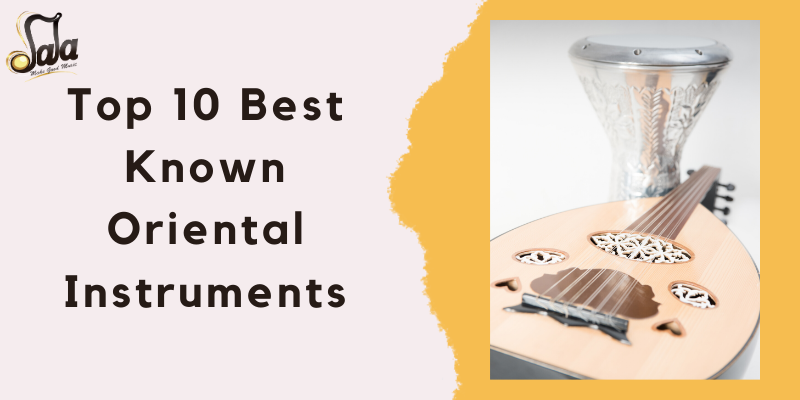
Tradycyjne instrumenty bliskowschodnie w skrócie
| Instrument | Rodzina | Typowa rola muzyczna |
|---|---|---|
| Oud | Bezprogowa lutnia szarpana | Melodia, taqsim, akompaniament, prowadzenie zespołu |
| Kanun | Szarpana cytra skrzynkowa | Melodia, zdobienia, modulacja, faktura zespołu |
| Ney | Trzcinowy flet podłużny | Liryczna melodia, improwizacja, repertuar duchowy i klasyczny |
| Darbuka | Bęben kielichowy | Fundament rytmiczny, przejścia, solówki |
| Riq | Bęben obręczowy z brzękadłami | Szczegółowy rytm klasyczny i barwa zespołu |
| Bendir | Duży bęben obręczowy | Głęboki puls, rytm ludowy, religijny i zespołowy |
| Saz/bağlama | Progowa lutnia o długim gryfie | Melodia ludowa, akompaniament do pieśni, style regionalne |
| Santur | Cymbały | Melodia, szybkie figury, bogato zdobiona faktura |
| Kamancheh | Skrzypce kolcowe | Prowadzona melodia, zdobienia, improwizacja |
| Zurna | Szałamaja o podwójnym stroiku | Potężna melodia na otwartym powietrzu, do tańca i ceremonii |
To nie jest ranking. To praktyczne wprowadzenie do dziesięciu wpływowych instrumentów, które usłyszysz w kilku żywych tradycjach.
1. Oud
Oud to bezprogowa lutnia o krótkim gryfie, z zaokrąglonym pudłem rezonansowym, drewnianą płytą wierzchnią, odgiętą do tyłu główką z kołkami i strunami ułożonymi w chóry. Jest instrumentem centralnym dla wielu zespołów arabskich i tureckich, a jego historia mocno wiąże się z Irakiem, Syrią, Egiptem, Lewantem, Zatoką Perską, Afryką Północną, Armenią, Grecją i Iranem. Konstrukcja, menzura, liczba chórów i strojenie różnią się w zależności od regionu i lutnika.
Brak progów pozwala wykonawcy kształtować intonację i zdobienia wymagane przez praktykę maqam lub makam. Oud może prowadzić zespół, akompaniować śpiewakowi albo wykonać improwizację solową bez metrum, czyli taqsim. Risha — długa, elastyczna kostka — nadaje mu charakterystyczny atak.
Wybierz oud zgodnie z tradycją i strojem, których zamierzasz się uczyć. Arabskie i tureckie komplety strun nie są automatycznie wymienne, bo menzura i naprężenie są inne. Zajrzyj do naszego pełnego przewodnika po wyborze oudu, by poznać szczegółową listę kontrolną przed zakupem.
2. Kanun
Kanun to trapezowa cytra szarpana, na której gra się poziomo — na kolanach albo na stojaku. Większość współczesnych instrumentów ma wiele strun zgrupowanych w potrójne chóry. Grający zakłada na palce wskazujące małe plektrony i wykorzystuje obie ręce do szybkich przebiegów, tremola, współbrzmień i bogato zdobionej melodii.
Małe dźwignie nazywane po turecku mandal podnoszą lub obniżają grupy strun o niewielkie interwały. Ich konstrukcja i podział interwałów różnią się w kanunach tureckich i arabskich. Doświadczeni wykonawcy przestawiają dźwignie w trakcie gry, aby przechodzić między wysokościami wymaganymi przez różne przebiegi maqam lub makam.
Kanun jest wrażliwy na strojenie, stan mostka, skórzane lub syntetyczne podpórki mostka, dokładność dźwigni oraz klimat. Kupujący powinni wybrać układ turecki albo arabski zgodnie z metodą swojego nauczyciela, zamiast traktować oba jako identyczne.
3. Ney
Ney to flet podłużny, tradycyjnie wykonywany z pustej w środku trzciny z otworami na palce. Powiązane tradycje neya obejmują muzykę arabską, turecką i perską, ale wymiary instrumentu, technika ustna, nazewnictwo i systemy dźwiękowe są różne. Turecki ney zwykle ma ustnik zwany başpare; na wielu arabskich nayach gra się bezpośrednio na krawędzi trzciny.
Wykonawca kieruje wąski strumień powietrza przez krawędź, aby uzyskać dźwięk bogaty w szum oddechu. Zmiana ciśnienia oddechu i zadęcia otwiera dostęp do różnych rejestrów. Częściowe zakrywanie otworów i układ warg pomagają kształtować wysokości, które nie odpowiadają dźwiękom fortepianu w stroju równomiernie temperowanym.
Ney pojawia się w zespołach klasycznych, improwizacji solowej, kontekstach religijnych i we współczesnych aranżacjach. Wydobycie pierwszego stabilnego dźwięku może początkującemu zająć trochę czasu; tej początkowej trudności nie należy mylić z wadliwym instrumentem.
4. Darbuka
Darbuka to jednomembranowy bęben kielichowy. W zależności od regionu i kontekstu pokrewne nazwy to tabla, derbake i doumbek. Tradycyjne korpusy bywają ceramiczne lub metalowe, z membraną naturalną albo syntetyczną; na scenie popularne są nowoczesne darbuki metalowe z wymienną membraną syntetyczną.
Podstawowy słownik gry przeciwstawia rezonansowe uderzenie w środek membrany, nazywane zwykle dum, jaśniejszym uderzeniom przy krawędzi, takim jak tek. Tremola palcowe, pstryknięcia, uderzenia tłumione i ozdobniki składają się na szczegółowe figury. Darbuka wspiera śpiew i taniec, ale bywa też wyrafinowanym instrumentem solowym.
„Darbuka” i „doumbek” nie zawsze oznaczają dwa całkiem różne instrumenty. Użycie tych nazw zmienia się w zależności od języka, kraju, konstrukcji i marketingu. Przy zakupie porównaj średnicę membrany, materiał korpusu, wagę, system strojenia, wygodę obręczy i brzmienie, którego potrzebujesz.
5. Riq
Riq to mały bęben obręczowy wyposażony w pary metalowych brzękadeł. Ma szczególne znaczenie w arabskich zespołach klasycznych, gdzie wprawny wykonawca potrafi wyartykułować złożone cykle rytmiczne z niezwykłą precyzją. Membrana i brzękadła dają dwa kontrastujące światy dźwiękowe w jednym niewielkim instrumencie.
Wykonawcy stosują kilka chwytów i pozycji gry. Gdy brzękadła pracują swobodnie, riq tworzy jasną, ciągłą fakturę; przy brzękadłach tłumionych uderzenia w membranę stają się suche i ostro zarysowane. Tradycyjne membrany z rybiej skóry są nadal cenione, natomiast membrany syntetyczne dają większą stabilność przy zmiennej wilgotności.
Riq może wyglądać jak tamburyn, ale jego technika i rola muzyczna są wyspecjalizowane. Dobra reakcja brzękadeł, wygodna obręcz, precyzyjne napięcie membrany i wyważenie znaczą więcej niż zdobienia.
6. Bendir
Bendir to większy bęben obręczowy używany w tradycjach północnoafrykańskich, bliskowschodnich, tureckich, kurdyjskich i religijnych. Jego szeroka membrana daje głębszy puls niż mały riq. Niektóre bendiry mają jedną lub więcej strun sprężynowych naciągniętych od spodu membrany, co dodaje charakterystycznego brzęczenia; inne są ich pozbawione.
Trzyma się go pionowo i gra palcami oraz dłońmi przy krawędzi i w środku. Barwa zmienia się wraz z miejscem uderzenia, ułożeniem palców, naciskiem i napięciem membrany. Bendir potrafi zakotwiczyć taniec ludowy, towarzyszyć głosowi, wspierać repertuar sufi i religijny oraz łączyć się z inną perkusją.
Średnica, głębokość obręczy, materiał membrany, osprzęt do strojenia, waga i konstrukcja strun sprężynowych wpływają na wygodę i brzmienie. Duży bęben nie brzmi automatycznie głębiej, jeśli jego membrana i napięcie są niewłaściwe.
7. Saz, czyli bağlama
Bağlama to rodzina lutni o długich gryfach, silnie kojarzona z muzyką Turcji i regionów sąsiednich. „Saz” może oznaczać instrument muzyczny w ogóle, ale w handlu międzynarodowym odnosi się najczęściej do bağlamy. Poszczególni członkowie tej rodziny różnią się wielkością pudła rezonansowego, menzurą, sposobem ostrunowania, strojem i rejestrem.
Współczesne bağlamy mają zwykle wiązane, przesuwane progi, które pozwalają uzyskać układy interwałów stosowane w praktyce regionalnej. Instrumenty z krótkim i długim gryfem wiążą się z różnymi typowymi strojami i technikami, choć granice nie są ostre. Instrument akompaniuje pieśni, prowadzi melodię i wyraża regionalne style gry kostką, znane jako tavır.
Przed zakupem dopasuj rodzaj gryfu, menzurę, układ progów, struny i strój do nauczyciela i repertuaru. Nasz przewodnik po bağlamie z krótkim i długim gryfem szczegółowo wyjaśnia ten wybór.
8. Santur
Santur to trapezowe cymbały, w których struny rozpięto nad przesuwanymi mostkami i uderza się je lekkimi drewnianymi pałeczkami. Odgrywa główną rolę w perskiej muzyce klasycznej, a instrumenty pokrewne pojawiają się w Iraku, Indiach, Turcji, na Kaukazie i w innych regionach. Układ, liczba mostków, strój, kształt pałeczek i technika różnią się bardzo znacznie.
Każdy mostek dzieli struny na odcinki brzmiące, dając grającemu dostęp do kilku rejestrów. Szybkie uderzenia naprzemienne, tremola i zdobione figury tworzą migotliwą fakturę. Ponieważ trzeba nastroić wiele strun, a położenie mostka wpływa na wysokość dźwięku, przygotowanie instrumentu wymaga cierpliwości i jasnego układu odniesienia.
Nie wybieraj santuru wyłącznie po liczbie mostków. Instrument o 9 i o 12 kharakach może służyć innym systemom muzycznym lub zakresom, a o jakości decydują też geometria, drewno, kołki, struny, mostki i stabilność stroju.
9. Kamancheh
Kamancheh to smyczkowe skrzypce kolcowe o małym pudle rezonansowym i długim gryfie. Kolec u podstawy opiera się o kolano grającego albo o podłogę, dzięki czemu instrument może subtelnie obracać się wraz z ruchem smyczka. Ma kluczowe znaczenie dla perskiej i azerbejdżańskiej tradycji klasycznej, a pojawia się także w kulturach muzycznych kurdyjskiej, ormiańskiej i sąsiednich.
Współczesne kamanchehy mają zwykle cztery struny, choć przykłady historyczne i regionalne bywają różne. Smyczek i obracający się instrument dają długo prowadzone, przypominające głos linie melodyczne, glissanda, zdobienia i subtelną intonację. Instrument prowadzi melodię, improwizuje i dialoguje ze śpiewakami lub innymi instrumentami.
Ustawienie mostka, stan membrany lub płyty wierzchniej, ustawienie gryfu, smyczek, struny i stabilność kołków — wszystko to wpływa na wygodę gry. Doświadczenie skrzypcowe pomaga w prowadzeniu smyczka, ale nie zastąpi nauki postawy przy instrumencie i regionalnego frazowania.
10. Zurna
Zurna to głośna szałamaja o podwójnym stroiku, używana podczas plenerowych uroczystości, tańców, wesel, procesji i ceremonii w Turcji, na Bałkanach, Kaukazie, Bliskim Wschodzie i w Azji Środkowej. Często łączy się ją z dużym dwumembranowym bębnem, takim jak davul.
Stożkowy kanał i podwójny stroik dają przenikliwe brzmienie, które niesie się na otwartym powietrzu bez nagłośnienia. Do podtrzymania długich fraz stosuje się oddech okrężny. Zurny występują w różnych rozmiarach i strojach, a regionalne sposoby wyrobu stroików i palcowania są dla stylu nieodzowne.
Ze względu na głośność i wymagającą kontrolę stroika zurna nie jest instrumentem do cichego grania w mieszkaniu. Początkujący powinni zdobyć pasujący stroik i uczyć się od kogoś, kto zna wybrany typ regionalny.
Jak te instrumenty grają razem
Nie ma reguły, że bliskowschodni zespół musi liczyć trzy instrumenty ani że więcej niż pięć nie może grać razem. Wielkość składu zależy od gatunku, miejsca, epoki i przeznaczenia. Mały zespół takht w arabskiej muzyce artystycznej może łączyć oud, kanun, ney, skrzypce, riq i głos. Turecki zespół klasyczny może obejmować oud, tanbur, kanun, ney, instrumenty smyczkowe i perkusję. Grupy ludowe i ceremonialne korzystają z innych zestawień.
W wielu tradycjach instrumenty nie dzielą się po prostu na melodię, akordy i rytm w stylu zachodnim. Kilka instrumentów melodycznych może prowadzić tę samą linię z własnymi zdobieniami, tworząc heterofonię. Perkusja artykułuje nazwane cykle rytmiczne, a improwizacja i wzajemne reagowanie kształtują wykonanie.
Systemy melodyczne: maqam, makam i dastgah
Arabski maqam, turecki makam i perski dastgah to tradycje modalne pokrewne, ale odrębne. Nie są to zwykłe skale. Każda obejmuje charakterystyczny ruch melodyczny, dźwięki ważne, frazy, praktyki modulacyjne, zdobienia i repertuar. Wysokość dźwięku nie zawsze pokrywa się z dwunastodźwiękowym strojem równomiernie temperowanym.
Instrumenty bezprogowe, takie jak oud, ney i kamancheh, mogą kształtować wysokość dźwięku płynnie. Wykonawcy grający na kanunie posługują się dźwigniami, a budowniczowie i wykonawcy bağlamy umieszczają wiązane progi zgodnie z zamierzonym systemem. Elektroniczne keyboardy „orientalne” potrafią naśladować część zestawów dźwięków i barw, ale nie zastępują instrumentów akustycznych ani wiedzy wykonawczej.
Jak wybrać swój pierwszy instrument bliskowschodni
- Zacznij od muzyki: określ tradycję, wykonawców i utwory, których chcesz się nauczyć.
- Znajdź nauczyciela lub metodę: regionalne stroje i techniki wpływają na to, którą wersję instrumentu kupić.
- Zastanów się nad rolą dźwięku: wybierz melodię, długo prowadzony dźwięk smyczkowy, oddech albo perkusję — w zależności od tego, co Cię pociąga.
- Sprawdź ograniczenia praktyczne: głośność, poręczność, wrażliwość na klimat, czas strojenia i konserwacja bardzo się różnią.
- Kupuj pod kątem wygody gry: prawidłowe ustawienie i stabilny strój znaczą więcej niż bogate zdobienia.
- Poproś o dokładną specyfikację: sama nazwa regionalna może nie określać menzury, stroju, ostrunowania ani rozmiaru.
Najczęściej zadawane pytania
Czy „instrument orientalny” to trafne określenie?
To szeroka, historyczna etykieta, która wciąż funkcjonuje jako hasło wyszukiwania i termin handlowy, ale potrafi spłaszczyć wiele odrębnych kultur do jednej kategorii. Kiedy tylko można, nazwij region, tradycję albo konkretny instrument.
Czy darbuka i doumbek to co innego?
Nazwy te często się pokrywają. Na niektórych rynkach rozróżnia się nimi kształty, materiały lub style regionalne; gdzie indziej odnoszą się do tej samej rodziny bębnów kielichowych. Sprawdzaj specyfikację, zamiast polegać na nazwie.
Który instrument jest najłatwiejszy dla początkującego?
Żaden instrument nie jest najłatwiejszy dla wszystkich. Na darbuce lub bendirze szybko wydobędziesz podstawowy dźwięk, ale opanowanie rytmu pozostaje wymagające. Oud, ney, kanun i instrumenty smyczkowe zwykle wymagają na początku większej kontroli. Dobry nauczyciel i wygodny w grze instrument znaczą więcej niż kategoria.
Czy na tych instrumentach można grać muzykę zachodnią?
Tak. Muzycy wykorzystują je w jazzie, muzyce klasycznej, filmowej, elektronicznej i popularnej. Ich tradycyjne stroje i techniki dają możliwości wykraczające poza zachodni strój równomiernie temperowany, dlatego adaptacja powinna szanować instrument, a nie zmuszać go do naśladowania innego.
Czy potrzebuję instrumentu z kraju, w którym narodziła się dana tradycja?
Niekoniecznie. Dobrzy lutnicy pracują w wielu krajach. Oceń, czy instrument jest właściwie zaprojektowany i ustawiony pod system muzyczny, strój i nauczyciela, za którym pójdziesz.
Wspólna rodzina żywych tradycji
Oud, kanun, ney, darbuka, riq, bendir, saz, santur, kamancheh i zurna pokazują tylko część muzycznej różnorodności regionu. Przekraczają granice, zmieniają się razem ze społecznościami i wciąż się rozwijają — w salach koncertowych, domach, na ceremoniach, w studiach i w nowych gatunkach. Najlepszy sposób, by któryś z nich zrozumieć, to posłuchać cenionych wykonawców, poznać jego repertuar i podchodzić do jego nazwy i historii z regionalną precyzją.
Punkty odniesienia: dokumentacja UNESCO dotycząca rzemiosła i wykonawstwa oudu; raport UNESCO o żywym dziedzictwie śródziemnomorskim poświęcony nauczaniu muzyki arabskiej; kolekcja i publikacje instrumentów muzycznych Metropolitan Museum of Art.


Thanks for informations!
Thanks for this detailed content about oriental instruments
Thank you for sharing this wonderful list of best known oriental instruments!
Dodaj komentarz